Geometry-Sensitive, Solver-Independent Mesh Adaptation Using Hybrid Viscous and Hex-Core Meshing Techniques
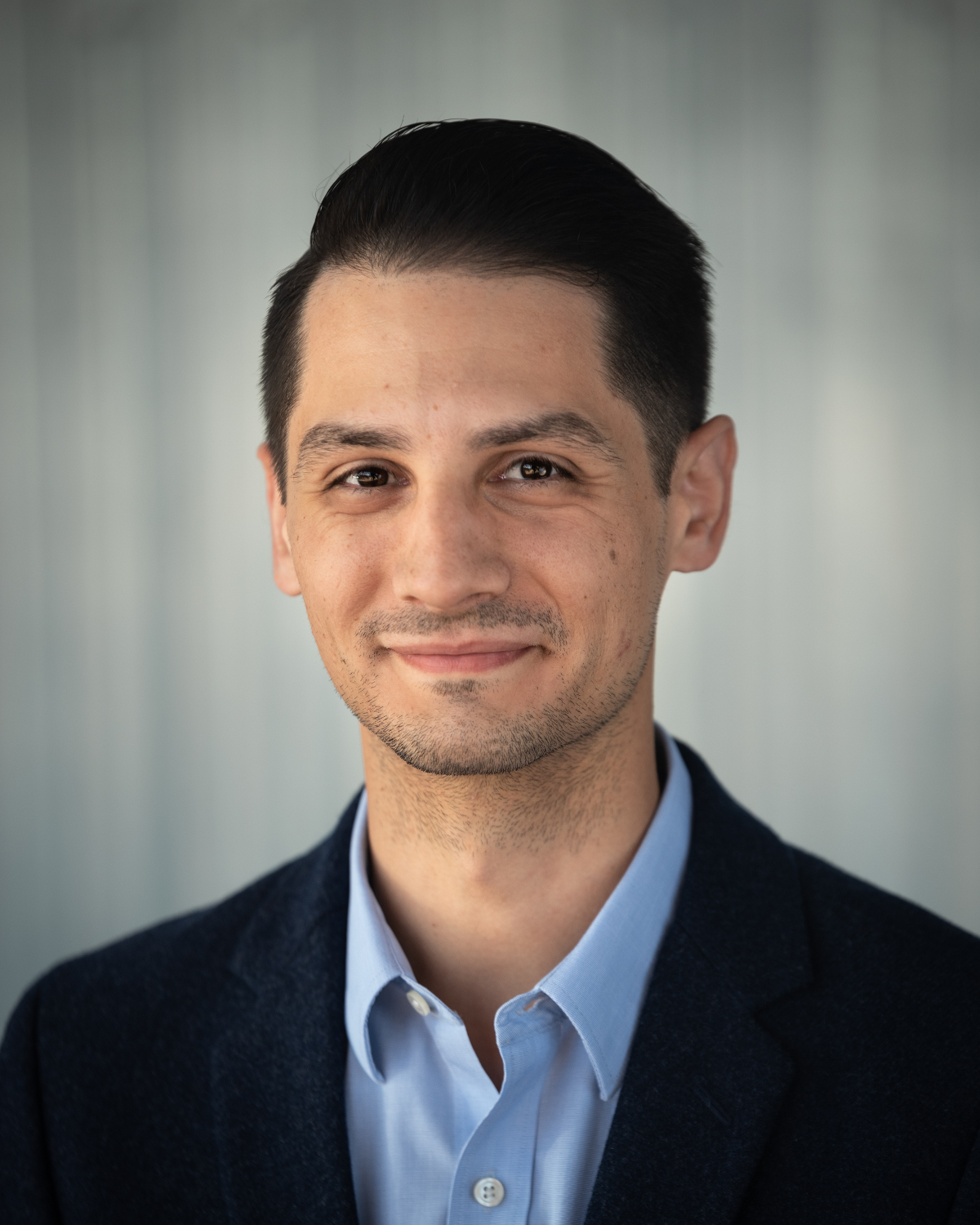
Speaker: Nick Wyman and Travis Carrigan, Cadence Design Systems, Inc.
Presentation
Abstract
Simulation has the potential to provide insight, improve time-to-market and reliability, and reduce program cost. This assumes however, there is confidence in the results. And while there may be variations in turbulence modeling and numerical schemes, mesh generation tends to be less programmatic and more subjective despite the significant effect on solution accuracy. This is due in part to the fact that mesh generation is often done a priori and remains largely a manual process. Complex geometries, off-design prediction, inconsistent best practices, hardware availability, and even personal preferences influence the consistency with which meshes are generated within an organization.
At Cadence we recognize this and, in this presentation, will introduce a repeatable and user-independent approach to mesh generation using Pointwise by leveraging a goal-oriented framework coupled with hierarchical cartesian off-body meshing and adaptation. By focusing on meshing goals early in the process, company best practices can easily be standardized, resulting in more consistency and higher throughput. In addition, we'll show that by estimating truncation error and computing a target mesh-edge length, followed by updating the mesh with each adaptation step, we can robustly conform to the underlying geometry while retaining the boundary layer mesh resolution and schedule. In the end, this process improves mesh quality as adaptation progresses and with it so, too, does confidence in the results.
Biographies