Computational Flame Propagation Studies in Support of Launch Vehicle Risk Assessment
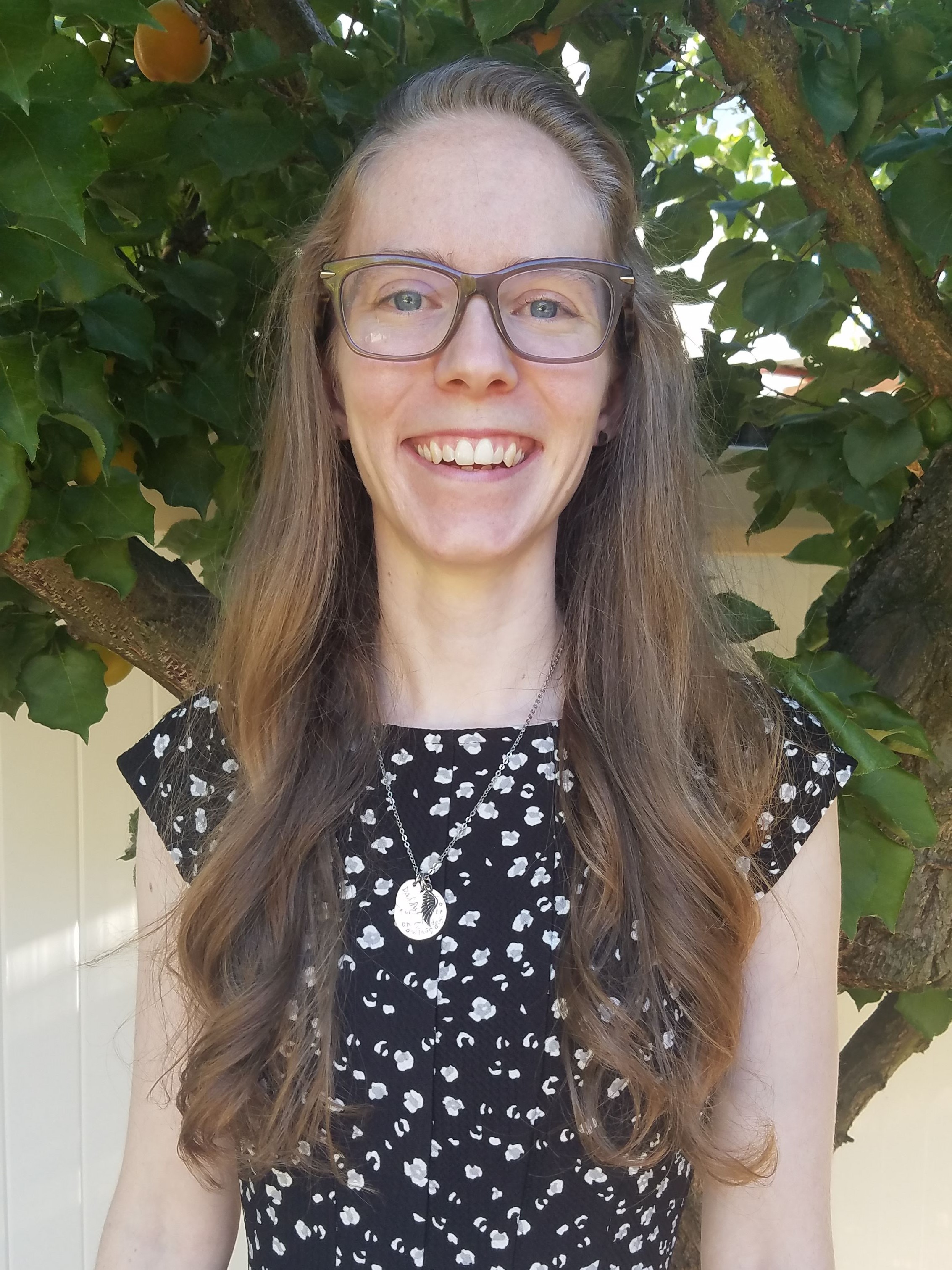
Speaker: Ashley Coates, Computational Physics Branch, NASA Advanced Supercomputing Division
Presentation
Abstract
Large, uncontained, explosive failures occurring in the engine bay of space launch vehicles pose a significant risk to the crew, surrounding personnel, and equipment. The combination of complex physics, complicated geometries, and flame sensitivities make blast environments very difficult to characterize. Options for characterizing the environment for use in risk assessments include physical experiments, CFD simulations, and engineering-level blast models. Low cost engineering models are the most practical option for a probabilistic approach, but insight from experiments and CFD studies are needed to inform and develop the models.
The goal of this work is to use CFD simulations to better understand flame propagation mechanisms and sensitivities in an effort to improve flame speed inputs to risk models. This presentation will highlight two groups of studies, one focused on mechanisms of deflagration to detonation transition in obstructed flows, and another focused on the influence of underlying parameters on flame propagation. Comparisons of the CFD results with both experimental data and engineering model results are also presented. The approximately 35 cases considered were chosen to represent possible failure scenarios in rocket engine bays, and the insight developed will lead to improved launch vehicle risk assessments and ultimately safer launch vehicles.
Biography