The Mission and Requirements of a Turbulence Model
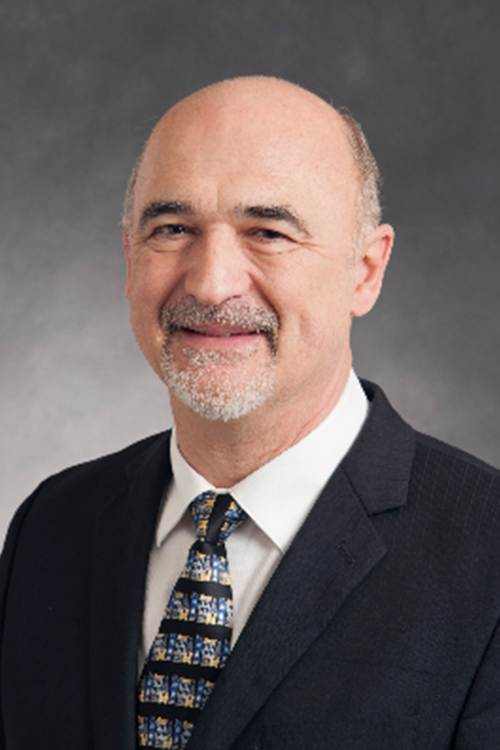
Speaker: Philippe Spalart, The Boeing Company
Presentation
Seminar Slide Deck (PDF-9.9MB)
Abstract
"The Mission" half of the talk will first argue that a model should be essentially universal, considering that a single flow field can contain many deeply different flow modules. It needs to be well-posed mathematically. The differential equations and boundary conditions must be absolutely complete. Its physical rationale is desirable, as is version control with full clarity. "The Requirements" half could serve a purpose in the era of Machine Learning (ML), which brings in colleagues with little “turbulence culture.” This has led unfortunately to many ML products failing some very basic requirements, which are self-evident to the experienced modelers but deserve a clear exposition. In particular, a list is given and justified for “features” which must be avoided when creating a new model. The argument over the use of acceleration (pressure gradient) is salient. The talk concludes with thoughts about effective community turbulence research, especially seeking a good use of Artificial Intelligence.
Biography